In today’s hyper-connected work environment, video conferencing is no longer a nice-to-have; it’s essential. With the right equipment, remote and hybrid teams can collaborate seamlessly, communicate clearly, and feel genuinely connected, even when they’re miles apart. As hybrid work continues to reshape how organizations operate, the demand for high-quality video conferencing tools has never been higher. So, how do you create meetings that feel effortless, engaging, and truly face-to-face? Let’s dive into the must-have video conferencing equipment and how to choose the best setup for your meeting spaces.
Key takeaways
- Understand the capabilities of video conferencing equipment to create an optimized meeting environment.
- Top brands such as Logitech, Poly, and Cisco provide reliable solutions for different room sizes and budgets
- AI integration, virtual/augmented reality & 5G connectivity are set to revolutionize collaboration & communication in 2026.
Understanding video conferencing equipment

Video conferencing hardware plays a vital role in providing seamless communication in modern meeting rooms. The quality of your video meetings depends on the functionality and performance of key components, such as cameras, microphones, and speakers. Clear sound is essential for effective communication, making high-quality microphones and speakers crucial for accurate voice capture and audio output.
Comprehending the intricacies of these vital components enables you to build an effective video conferencing environment tailored to your team’s distinct needs.
Cameras
Cameras are the cornerstone of any video conferencing setup, capturing visuals that allow remote participants to connect and collaborate effectively. There's a wide range of cameras available, from simple webcams to professional PTZ (pan, tilt, zoom) cameras, each offering different features and resolutions to suit your meeting requirements. Choosing an appropriate camera for your space guarantees crystal-clear visuals and a more engaging video meeting experience.
Some popular camera models for video conferencing include the Logitech C920, Logitech BRIO, and the Microsoft LifeCam Studio for Business. These cameras offer high-quality visuals, making them ideal choices for various meeting scenarios. For larger conference rooms, more advanced PTZ cameras like the Logitech Rally or Huddly Go can provide greater control and flexibility to capture all participants in the room.
Microphones
Clear audio is just as important as crisp visuals in video conferences. Microphones ensure that participants can hear each other clearly, enabling effective communication across different locations. From tabletop microphones to lavalier (clip-on) and ceiling-mounted options, there’s a microphone to suit every room size and setup. Choosing the right microphone can make all the difference in providing an immersive audio experience for all participants.
Some recommended microphone models for video conferencing include the Phoenix Audio Condor (MT600) microphone array and the Poly Studio X50. These microphones offer advanced noise cancellation and capture multiple speakers simultaneously, ensuring that everyone in the meeting can be heard clearly. Selecting a fitting microphone for your space aids in minimizing background noise and enhancing audio quality, resulting in a more enjoyable video meeting experience.
Speakers
Speakers play a crucial role in delivering high-quality audio output during video conferences. A range of speaker options is available, including built-in, external, and soundbar speakers, to suit various room sizes and acoustics. Selecting a suitable speaker for your meeting space guarantees that all participants can hear the conversation clearly, leading to a more productive and efficient meeting.
For small meeting rooms or executive workplaces, the Phoenix Audio Duet PCS or Phoenix Audio Duet EXE speakers are recommended. In medium-sized rooms accommodating 6-8 participants, the Phoenix Audio Spider (MT503) speakerphone provides an excellent audio experience. Choosing a suitable speaker for your space helps optimize audio output and creates an immersive audio environment for all participants. Seamless audio is essential for ensuring smooth and uninterrupted communication during meetings, making it a key feature to consider when selecting the best video conferencing equipment.
Choosing the right equipment for your meeting space

Selecting the best video conferencing equipment for your meeting space involves considering factors such as room size, the number of participants, and the intended use of the space. A thorough evaluation of these factors allows you to curate an effective combination of cameras, microphones, and speakers, fostering an effective and enjoyable video conferencing experience for your team and remote colleagues. Incorporating collaboration technology helps modernize meeting rooms by integrating advanced equipment and comprehensive solutions, resulting in improved meeting experiences.
Huddle rooms
Huddle rooms are small meeting spaces designed to accommodate up to five people, making them ideal for ad hoc meetings and one-on-one conversations. These rooms require compact and easy-to-use video conferencing equipment that can be quickly set up and adapted to the needs of the meeting. All-in-one devices or wide-angle cameras with integrated microphones and speakers are popular choices for huddle rooms, providing a streamlined and efficient solution for video conferencing.
Some recommended video conferencing tools for huddle rooms include the Logitech MeetUp, Logitech BCC950, and the Poly Studio X50. These devices offer a range of features, such as wide-angle lenses, noise cancellation, and high-quality audio and video, making them well-suited for small spaces. Selecting the correct equipment for your huddle room guarantees effective collaboration and communication, even in the most restricted spaces.
Conference rooms
Conference rooms, especially large conference rooms, are designed to accommodate groups of participants for more formal meetings and presentations. In a large room setup, specialized video conferencing equipment is necessary to ensure clear communication and effective collaboration. These rooms require more advanced video conferencing equipment to cater to the needs of larger groups. High-resolution cameras, multiple microphones, and powerful speakers are essential components for conference rooms, ensuring that all participants can see and hear each other clearly. Proper equipment is also crucial for facilitating effective conference calls in these environments.
Some recommended video conferencing equipment for conference rooms includes the Logitech Rally, Poly Studio X30 and Cisco Webex Room Kit Plus. These devices offer advanced features, such as high-resolution cameras, noise-cancelling audio, and seamless integration with popular video conferencing software like Zoom Rooms. For larger spaces, look for solutions that provide wide coverage and advanced camera systems to guarantee everyone is seen and heard. In addition to speakers and microphones, conference phones play a key role in large conference rooms by enabling hands-free calling and integrating with video conferencing systems for effective communication. Choosing the appropriate equipment for your conference room enables you to create an immersive and engaging video conferencing experience for all participants.
Multi-purpose spaces
Multi-purpose spaces are versatile rooms that can accommodate a variety of activities, such as meetings, presentations, and collaboration sessions. These spaces require video conferencing equipment that can adapt to different room configurations and collaboration needs. Collaboration tools are essential in these environments, as they support seamless communication and enable effective presentations in multi-purpose spaces. Versatile equipment, such as all-in-one devices or cameras with adjustable lenses, can provide a flexible solution for multi-purpose spaces, providing effective communication and collaboration regardless of the room’s setup.
Some recommended video conferencing tools for multi-purpose spaces include the Logitech MeetUp, Poly Studio X50, and the Microsoft LifeCam Studio. These devices offer a range of features, such as wide-angle lenses, noise cancellation, and high-quality audio and video, making them well-suited for versatile spaces. Selecting suitable equipment for your multi-purpose space guarantees effective collaboration in any setting.
Top brands and products for video conferencing equipment

When it comes to video conferencing equipment, quality, reliability, and compatibility with popular conferencing platforms are essential factors to consider. Many top brands optimize their devices for seamless experiences across multiple meeting services, offering native support and certification for platforms like Zoom, Microsoft Teams, Webex, and Google Meet. Top brands like Logitech, Poly (formerly Polycom), and Cisco offer a wide range of video conferencing equipment, ensuring that you can find the right tools to create an exceptional virtual meeting experience for your team.
Logitech
Logitech is a renowned technology company specializing in computer peripherals, including video conferencing equipment. Their product lineup includes a variety of cameras, microphones, and speakers, with high-quality speakers and microphones being essential for ensuring clear communication and sound quality in different meeting spaces. Logitech’s devices are designed with user experience in mind, offering easy setup and seamless integration with popular video conferencing platforms.
Some popular Logitech video conferencing equipment includes the Logitech C920 webcam, the Logitech BRIO 4K webcam, and the Logitech Rally PTZ camera. These devices offer high-quality visuals and audio, making them excellent choices for various meeting scenarios. Opting for Logitech equipment guarantees a reliable and enjoyable video conferencing experience for your team.
Poly
Poly, formerly known as Polycom, is a leading provider of all-in-one video conferencing solutions as well as individual components. With a focus on audio quality and seamless integration with popular platforms like Microsoft Teams and Poly’s equipment is designed to enhance the video conferencing experience for users. Their product lineup includes:
- Powerful cameras
- AI-enabled capabilities
- Professional-grade audio systems, such as the Poly Trio conference speakerphone, which delivers superior audio quality and is especially suitable for large meeting rooms
- Support for various endpoint categories
Some popular Poly video conferencing equipment includes the Poly Studio X50, an all-in-one device with a 4K camera, and the Poly CALISTO 7200, a speakerphone with advanced noise cancellation. These devices offer exceptional audio and video quality, making them ideal choices for various meeting scenarios. Opting for Poly equipment provides a seamless and enjoyable video conferencing experience for your team.
Cisco
Cisco is a global leader in networking and communication technologies, offering a comprehensive range of video conferencing equipment designed for seamless collaboration. Their product lineup includes cutting-edge smartboards, all-in-one devices, and advanced features like background noise removal and virtual backgrounds. Cisco devices are recommended for use with popular conferencing platforms like Kumospace, Google Meet, and Microsoft Teams Rooms meetings.
Some popular Cisco video conferencing equipment includes the Cisco Webex Room Kit Plus, an all-in-one device with a 4K camera, and the Cisco Desk Pro, which offers AI-powered features such as facial recognition and a voice-controlled assistant. These devices provide a range of advanced capabilities, ensuring a smooth and high-quality video conferencing experience in conference room settings. Opting for Cisco equipment guarantees top-notch performance and user experience for your team.
Setting up your video conferencing system

Setting up your video conferencing system involves three main steps: installation, configuration, and troubleshooting. Each step is crucial to provide optimal performance and user experience. Selecting the right system for lighting, such as smart or sensor-based solutions, is essential to enhance functionality and productivity in conference rooms. Adhering to correct procedures and promptly addressing any arising issues enables the creation of a reliable and effective video conferencing environment for your team.
Installation
The installation process is the first step in setting up your video conferencing system. This involves:
- Mounting cameras, microphones, and speakers in the appropriate locations
- Connecting cables and power sources to create a functional setup
- Using wall mounts, ceiling mounts, or other mounting solutions to secure your devices, depending on the available space and your specific equipment.
To connect cables and power sources, follow the manufacturer's instructions and confirm that the correct cables and power sources are used for each piece of equipment. Once everything is connected, test your setup by running a video call with a colleague or friend to confirm that everything is functioning correctly.
Configuration
Configuration is the process of adjusting settings to optimize the video conferencing experience for all participants. This includes setting the correct camera angles, adjusting microphone sensitivity, and finding the appropriate speaker volume. By fine-tuning these settings, you can guarantee that all participants can see and hear each other clearly, resulting in a more productive and efficient meeting.
To adjust camera angles, utilize the camera's pan, tilt, and zoom features to achieve the optimal view of the participants. Adjust the microphone sensitivity using the microphone's gain control to modify the level of sound detected by the microphone. Lastly, use the speaker's volume control to adjust the level of sound outputted by the speaker. By taking the time to configure your video conferencing system, you can create a more enjoyable and immersive experience for all participants.
Troubleshooting
Troubleshooting is an essential step in setting up your video conferencing system, as it helps identify and resolve any issues that may arise during use. Common problems with video conferencing equipment include suboptimal audio quality, video latency, and connection difficulties. By addressing these issues promptly, you can provide smooth and uninterrupted communication during your meetings.
To troubleshoot issues, follow these steps:
- Review the audio and video settings, adjust the volume, and examine the microphone and speaker settings as needed.
- Test the connection by running a speed test to evaluate the internet connection and assess your device's signal strength.
- If issues persist, restart the device.
- If necessary, contact the manufacturer for further guidance or seek professional advice.
The future of video conferencing technology

As technology continues to evolve, the future of video conferencing promises exciting developments that will enhance collaboration and communication. Innovations such as AI-powered features, virtual reality and augmented reality integration, and 5G connectivity are on the horizon, offering more personalized and efficient video conferencing experiences for teams across the globe.
Embrace the future of video conferencing and stay ahead of the curve with cutting-edge equipment and technology. Integrating video conferencing software with productivity tools will further facilitate seamless remote and in-person collaboration, making hybrid meetings more efficient and connected.
AI-powered features
AI-powered features are poised to revolutionize the video conferencing experience by providing more personalized and efficient communication. Some of these features include:
- Facial recognition: This technology can help identify participants in meetings, making it easier to keep track of who is speaking.
- Noise cancellation: By minimizing background noise, this feature ensures clearer audio during video conferences, enhancing the audio conferencing experience.
- Automatic camera tracking: This technology can follow the movement of participants, ensuring that the camera remains focused on the person speaking and making it easier to follow the conversation.
These AI-powered features enhance the video conferencing experience and make communication more seamless and effective.
The integration of AI-powered features into video conferencing equipment offers businesses enhanced communication and collaboration, as well as a more enjoyable meeting experience for all participants. As artificial intelligence continues to advance, we can expect even more innovative features to emerge, further elevating the video conferencing experience.
Virtual reality and augmented reality
Virtual reality (VR) and augmented reality (AR) technologies have the potential to transform video conferencing by creating more immersive and interactive experiences. By allowing participants to:
- Collaborate in shared virtual spaces
- Engage in real-time interactions with virtual objects
- Experience 3D visualizations and simulations
- Use hand gestures and body movements for communication
These technologies can enhance engagement and communication in ways that traditional video conferencing and virtual meetings cannot.
Some potential applications of VR and AR in video conferencing include:
- Simulating real-world scenarios for training and simulations
- Facilitating virtual tours and demonstrations
- Enhancing visualizations and data presentations
As these technologies become more accessible and affordable, we can expect to see their integration into video conferencing solutions, revolutionizing the way we communicate and collaborate in the digital age.
5G connectivity
The advent of 5G connectivity promises:
- Faster and more reliable connections for video conferencing
- Higher-quality video and audio
- Support for more advanced features and applications
- Increased speeds
- Reduced latency
- Enhanced reliability
5G will revolutionize the way we conduct video conferences, providing a more seamless and enjoyable experience for all participants.
As 5G networks continue to expand, businesses will be able to leverage this cutting-edge technology to improve their video conferencing capabilities and stay ahead of the competition. Some benefits of 5G connectivity for video conferencing include:
- Crystal-clear audio and video quality
- Real-time collaboration and seamless communication
- Enhanced reliability and stability
- Faster data transfer speeds
- Support for larger groups and higher resolution
With these advancements, 5G connectivity will unlock new possibilities for video conferencing and help transform the way we work and communicate.
Summary
As video conferencing continues to shape how we work and connect, choosing the right equipment is key to creating meetings that feel seamless, productive, and engaging. By understanding the different types of video conferencing systems, assessing your meeting room needs, and prioritizing high-quality video and audio, you set the foundation for clear communication and stronger collaboration, wherever your team is located.
The right video conferencing solutions do more than improve call quality. They support the flexibility, efficiency, and inclusivity required in today’s hybrid and remote work environments. As conferencing technology evolves, staying informed and upgrading your setup helps future-proof your organization and guarantees you’re getting the most out of every virtual interaction.
Ready to elevate your meeting experience? Explore your options, invest in high-quality video conferencing equipment, and empower your team to collaborate confidently and effectively in every meeting.
Frequently asked questions
For successful video conferencing, the necessary equipment includes display devices such as laptops, desktop monitors and televisions, cameras and microphones like webcams and USB microphones, and speakers including computer speakers, external speakers, and VoIP conferencing phones.
The cost of video conferencing equipment can range from $1,000 to $10,000 or more depending on the size and scope of the setup. Prices of equipment, configuration, and installation can also vary from $127 to $234 per month per room.
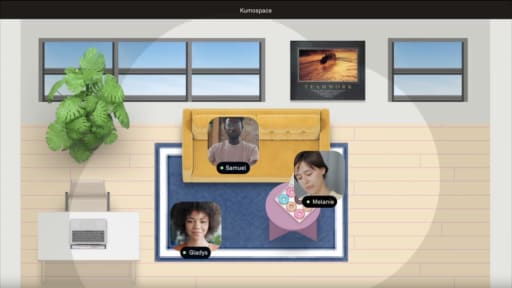
Kumospace stands out as the premier platform for video conferencing due to its innovative spatial design, fostering a uniquely engaging and interactive virtual environment that seamlessly replicates the dynamics of in-person meetings.
Video conferencing requires a camera, microphone, speakers, an internet connection and video conferencing software to enable communication between two or more users.
AI-powered features can improve the video conferencing experience, making communication more personalized and efficient by using facial recognition, noise cancellation, and automatic camera tracking.
Virtual reality and augmented reality will revolutionize video conferencing by providing a more immersive, interactive experience, allowing for shared virtual spaces that enhance engagement and communication.