In 2026, where the "always-on" grind of fast-paced projects can turn teammates into mere avatars on a screen, the Catch-Up Meeting is your most powerful tool for humanizing the workflow. It is the tactical "breathing room" in your sprint, a space designed to lower the professional facade and replace the rigid status report with a genuine connection.
Rather than another formal hurdle, think of the catch-up as a high-trust, informal sync that prioritizes the people behind the tasks.
Short Summary
- Catch-up meetings are a great way to strengthen relationships and build trust and understanding between team members, including sharing updates on personal lives.
- Catch-up meetings can involve two or more people, not just one-on-ones.
- Plan & keep catch-up meetings short & engaging for busy schedules.
- Encourage open communication, use icebreakers/conversation starters, and give/receive feedback for personal growth.
Understanding catch-up meetings

Catch-up meetings are your oasis in the midst of the work chaos. They are casual get-togethers where team members talk about work, personal updates, and build better relationships with each other. These meetings take place in a casual setting, which encourages open communication and free expression among team members. They are different from regular meetings - they’re relaxed, friendly, and allow team members to express themselves without the pressure of a formal setting. Make sure to schedule your next catch-up meeting to maintain this valuable connection with your team.
These meetings are a great way to build trust and understanding between team members. One of their key purposes is discussing work-related matters, such as reviewing performance, gathering input, and fostering open communication. They are the greatest.
The importance of catch-up meetings
These seemingly casual meetings are the secret sauce to a high-performing team. They boost team communication, employee involvement, and keep the team morale high. They provide an opportunity for team members to receive feedback in a relaxed and supportive environment. These meetings also allow managers to check in on each team member’s emotional state, helping to understand their well-being and address any concerns. Additionally, catch-up meetings provide insights into team members' experiences and concerns, enabling managers to gauge overall team health and improve team management.
And listening is the key to successful catch-up meetings.
Catch-up meetings vs. formal meetings

Catch-up meetings should be like a cup of coffee - taken regularly but not too much that it overwhelms you or adds to your day-to-day grind. Avoid overloading people’s busy schedules and keep the meetings concise and engaging. Consider scheduling a meeting every few weeks as an option to maintain engagement without causing meeting fatigue. Some teams may prefer monthly meetings, while others benefit from weekly catch-ups, depending on their workflow. Holding a catch-up every week can help teams stay aligned and maintain consistent communication.
Make sure to keep the meetings short and to the point. Ask questions to confirm everyone is on the same page. The frequency of meetings depends on two factors: effectiveness and availability. The number of people present can affect the meeting's duration and structure, especially when the whole team is involved.
Planning and scheduling catch-up meetings

Catch-up meetings should be like a cup of coffee - taken regularly but not too much that it overwhelms you or adds to your day to day grind. Avoid overloading people’s busy schedules and keep the meetings concise and engaging.
Make sure to keep the meetings short and to the point. Ask questions to ensure everyone is on the same page.
Frequency and duration
How often should these caffeine shots of productivity be taken? Ideally, start with weekly or bi-weekly meetings and then adjust their frequency depending on how useful they are and how available everyone is.
In-person vs. remote catch-up meetings
Whether you prefer face-to-face meetings or virtual ones, one-on-one meetings, including catch-up meetings, can be tailored to fit your preferences. These meetings are often between a manager and their direct report, providing an opportunity to build rapport and discuss updates. In-person meetings often happen in comfortable settings, while remote meetings offer convenience for remote teams spread out across geographical locations. In remote settings, effective communication tools with features like real-time chat, file sharing, and scheduling capabilities are crucial for facilitating collaboration and ensuring successful catch-up meetings. Catch-up meetings can also be used to check in with multiple direct reports individually, helping managers understand team dynamics and provide support.
Creating a catch-up meeting agenda

Even informal catch-up meetings benefit from a simple agenda. A flexible outline keeps the conversation focused, guarantees key topics are covered, and helps track progress without feeling rigid. Sharing agenda items in advance encourages preparation, while leaving space for collaborative problem-solving allows the team to address challenges and find solutions together.
Having an agenda helps to ensure that everyone is on the same page and that the meeting is organized, with time dedicated to discussing key topics and goals.
Essential talking points
Your catch-up should cover key topics like work-life balance, mental health, goals (including short-term goals and long-term goals), and feedback. It's also important to discuss development opportunities for employee growth during catch-up meetings. However, it’s not a rigid schedule. Leave some room for flexibility and personal updates to keep the conversation dynamic and engaging.
Balancing work-related and personal topics
A catch-up meeting is like a well-balanced diet. It should have an equal mix of work-related discussions and personal updates. This balance fosters a supportive and engaging atmosphere where team members can discuss their professional progress and personal well-being. Establishing a consistent meeting cadence ensures that these catch-up sessions remain effective and productive.
By having a mix of work and personal life topics, team members can feel comfortable sharing their successes.
Engaging team members in catch-up meetings
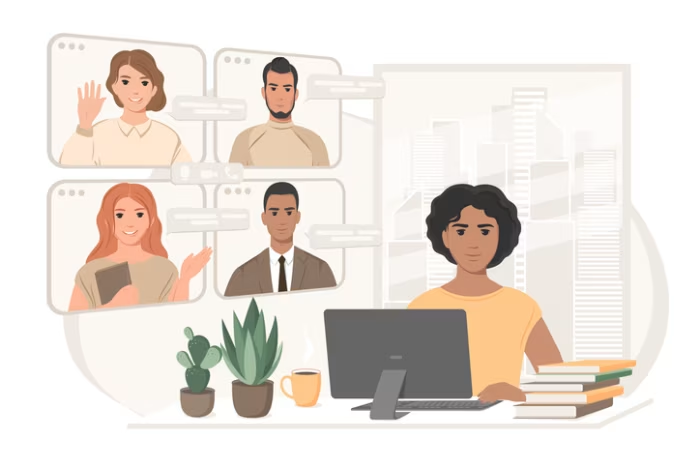
The success of effective catch-up meetings lies in their ability to engage all team members. Preparation and clear agendas help prevent awkward silences, ensuring conversations flow smoothly. Encouraging open communication and using icebreakers or conversation starters can definitely make these meetings more interactive and engaging. It’s also important to focus on the speaker during discussions, as focusing ensures everyone feels heard and valued.
Using an AI assistant can automate note-taking and provide real-time insights, making catch-up meetings more productive and helping teams stay accountable.
Icebreakers can be anything from a simple question to a game or activity. They help to break the rules.
Encouraging open communication
Open communication is the heart of a vibrant team. It builds trust and connection among team members, making collaboration more effective.
By encouraging open communication, you're not just fostering an environment of trust but also promoting a culture of transparency and honesty.
Icebreakers and conversation starters
Kickstart your catch-up meetings with fun icebreakers or conversation starters. They help set up a relaxed and friendly atmosphere, making it easier for everyone to express their thoughts and feelings during informal chats.
After all, who wouldn't want to start a meeting with a round of “Two Truths and One Lie”?
Tips for hybrid and remote catch-up meetings
It’s often hard to create open and cross-organization communication when you have a distributed team. Everyone from large multinational corporations with offices around the world to remote-first startups faces this challenge. As the world adopts an increasingly hybrid workplace, this challenge will only increase, even for mid-sized companies that might have all their employees in one single office. When selecting communication and collaboration tools, it’s important to consider the nature of the team’s tasks to ensure seamless coordination and productivity.
Regular meetings, such as daily standups, are essential not only for updates but also to identify blockers that may be hindering progress. This helps teams address impediments early and keep projects on track.
Find communication tools that inspire burst communication
Burst communication is what happens in a physical workplace; this can be referred to as watercooler conversations. Put another way, these are just unplanned catch-up meetings where employees bond and have casual conversations.
In a hybrid and distributed workplace its important to replicate this behavior, but most companies lack the communication tool to do so. Slack, Microsoft Teams, and Zoom are built for either asynchronous communication or planned formal meetings, and this does foster great catch-up meetings.
Invest in a virtual workspace platform
An increasingly popular business communication tool is a virtual workspace platform. These tools can often replace Slack and Zoom within a company's IT stack, resulting in significant cost savings. Additionally, the benefits go far beyond financial.
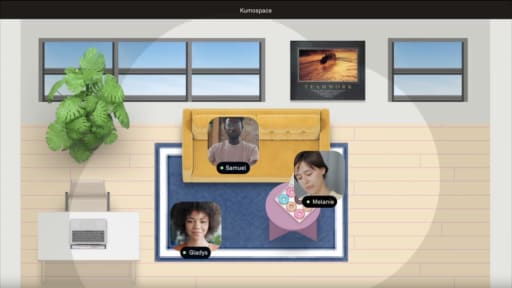
Take Kumospace, the leading virtual workspace platform. Teams that use it report faster and more frequent communication. Employees can easily have catch-up meetings that feel like organic watercooler moments rather than forced interactions. On average, a Kumospace meeting lasts nine minutes and occurs spontaneously throughout the day, just like in a physical office. These quick catch-ups strengthen bonds between employees, fostering better cross-team collaboration and higher productivity.
Giving and receiving feedback in catch-up meetings
Feedback is the breakfast of champions, and catch-up meetings serve this nutritious meal. These meetings provide the perfect platform to discuss feedback, leading to continuous improvement and a supportive work environment.
Feedback is essential for growth and development, both personally and professionally. It helps us to identify ourselves.
Constructive feedback
Constructive feedback is not about pointing fingers or assigning blame. It's about identifying areas of improvement and providing specific, respectful, and helpful insights to help team members grow and improve.
It should be an ongoing process that encourages open dialogue and collaboration. It should be a safe space.
Receptive to feedback
While giving feedback is important, being receptive to feedback is equally crucial. Treat concerns with respect and show willingness to work together and support team members in their journey of growth and improvement.
It is essential to create an environment where everyone feels comfortable giving and receiving feedback.
Maximizing the benefits of catch-up meetings
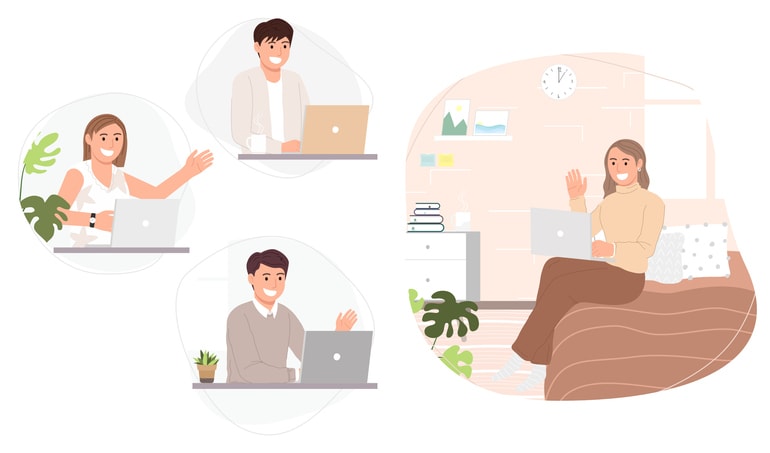
To squeeze the maximum juice out of your catch-up meetings, focus on strengthening team bonds, understanding the team's needs and goals, and identifying areas for improvement. This can lead to increased productivity, job satisfaction, and a team that’s more like a family.
By taking the time to get to know each other better, teams can build trust and understanding. Catch-up meetings are also a great opportunity to discuss progress, updates, and challenges related to a specific project.
Strengthening team bonds
Strong team bonds are like a safety net that catches us when we stumble. Regular catch-up meetings and open communication can help strengthen these bonds, creating a strong and cohesive team that's ready to face any challenge together.
Teamwork is essential for success, and strong team bonds are the foundation of any successful team, with a team leader playing a crucial role in guiding each team member.
Implementing changes based on catch-up meetings
The true power of catch-up meetings lies in turning discussion into action. After each session, prioritize action items and follow up to ensure that agreed-upon changes are put into practice. Provide feedback and support to team members as they work toward their goals, and empower them to take ownership of their progress.
Regular catch-ups help team leaders stay connected to what’s happening on the ground, making it easier to identify areas for improvement and implement meaningful changes. By demonstrating a commitment to follow through, you’ll foster open communication, trust, and collaboration within your team. This not only boosts job satisfaction and strengthens relationships but also drives better results and long-term success for your team and organization.
Summary
Catch-up meetings are informal, relationship-focused sessions designed to build trust, boost team morale, and maintain alignment in fast-paced work environments. Unlike formal meetings or status updates, they provide space for open communication, personal updates, and collaborative problem-solving. Whether in person or remote, these meetings strengthen team bonds, improve feedback flow, and help managers understand employee well-being and team dynamics.
To run effective catch-ups, keep them short, engaging, and scheduled at a cadence that fits the team. Use flexible agendas, encourage open discussion, actively listen, and mix work-related topics with personal updates. For remote or hybrid teams, leverage video calls and tools that mimic spontaneous office interactions, like virtual workspace platforms. Regular follow-up and actionable outcomes ensure discussions translate into results, fostering a culture of trust, accountability, and continuous improvement.
Frequently Asked Questions
A catch-up meeting is an informal get-together of team members and coworkers which is more relaxed and shorter in length than a formal meeting.
It is a great way to stay connected with colleagues, share ideas, and discuss any issues that may have arisen since the last meeting. It is also a great opportunity to catch up on any tasks that may have been missed or forgotten.
Let the person know in advance that you would like to catch-up, propose a time slot of 15 minutes and reassure them that it’s only for catching-up.
A catch-up meeting is an informal gathering of two or more people to discuss work-related matters. The conversation can include progress on projects, recent events in their personal lives, and other topics.
This type of meeting is meant to be relaxed and shorter in length.
A catch-up meeting is a short, relaxed chat to evaluate progress on current tasks and review workloads. Everyone present will discuss progress on projects, recent events in their personal lives, and all kinds of other topics, allowing for open and honest dialogue.
These meetings are a great way to stay connected with colleagues and build relationships. They can also help to identify any issues that may be preventing progress and provide an opportunity to brainstorm solutions.
Make the most out of your catch-up meetings by fostering team unity and open communication, and focus on identifying areas that can be improved to increase productivity and job satisfaction.
By creating an environment of trust and respect, team members can feel comfortable to share their ideas and opinions. This will help to identify areas that can be improved, and create a plan of action to increase productivity and job satisfaction.
Encourage teamwork.