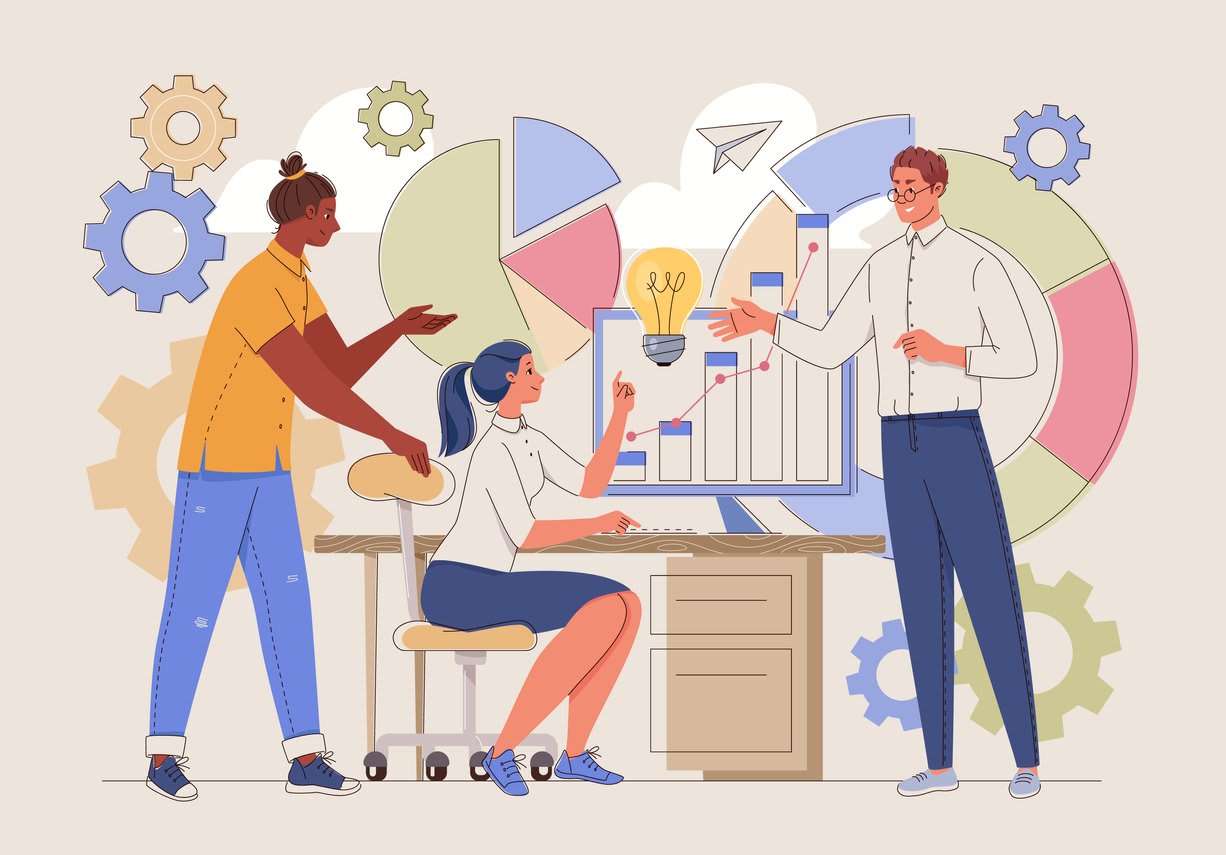
An effective staff meeting can significantly boost productivity and engagement when it’s guided by a clear, well-structured agenda. Defining the meeting’s purpose, organizing discussion topics, and tracking action items help keep conversations focused and ensure everyone’s time is used effectively.
Staff meetings give teams a space to share updates, align on priorities, and move projects forward. Using a consistent agenda template helps streamline communication, assign responsibilities, and keep participants focused on key objectives, making every meeting more efficient and productive.
Key Takeaways
- Create productive staff meeting agendas by defining objectives, prioritizing items, and allocating time.
- Set clear expectations for meeting objectives and outcomes to guide attendees and maintain focus.
- Encourage attendees to contribute to the agenda and participate actively in discussions.
- Enhance collaboration with group problem solving, role rotation, and breakout sessions.
- Foster open communication through active listening, constructive feedback & transparency to measure effectiveness using surveys, follow-up actions, and action item tracking.
Creating a Productive Staff Meeting Agenda
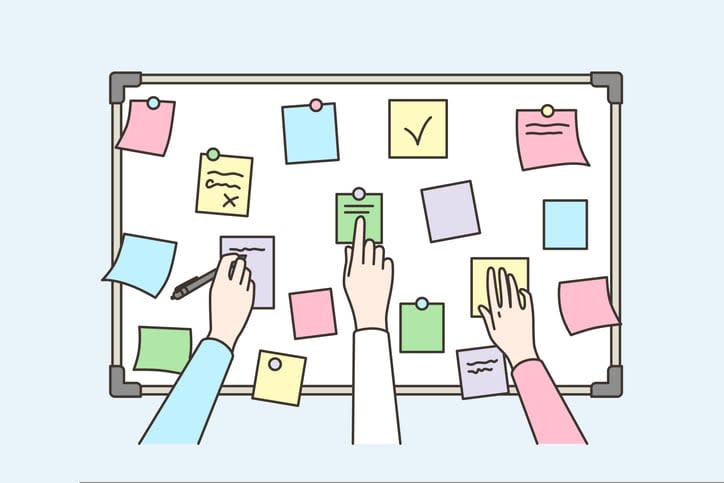
Maximizing productivity and engagement during staff meetings requires a leadership meeting agenda. Using a meeting template can streamline the process, making it easier to organize topics and keep meetings on track. It ensures that all relevant topics are covered, employees’ time is respected, and the meeting objectives are met.
We’ll delve into creating an effective staff meeting agenda, focusing on the definition of meeting objectives, prioritization of agenda items, and time allocation for each topic. When allocating time, it’s important to leave space in the agenda for open discussion, feedback, or unforeseen issues to encourage collaboration and problem-solving. To maintain meeting flow and efficiency, smoothly transitioning to the next agenda item is essential, ensuring each topic receives appropriate attention without overrunning.
A well-structured agenda also helps ensure that meeting outcomes are clearly defined and aligned with organizational goals. Additionally, it contributes to a positive meeting dynamic by balancing structured planning with opportunities for creative input and active engagement.
Define Meeting Objectives
A clear outline of the purpose and goals of a staff meeting helps maintain focus and relevance. Establishing clear expectations for the meeting purpose guides attendees’ understanding of the meeting’s goals and helps maintain focus throughout. A comprehensive meeting agenda, created with the help of meeting agenda software, can help achieve this. The agenda should encompass topics pertinent to all employees, follow-ups from the preceding gathering, project advancements, and updates on corporate objectives.
To give your team ample time to prepare and contribute, distribute the staff meeting agenda one week in advance.
Prioritize Agenda Items
Optimized time management during staff meetings is achievable by organizing agenda topics based on their importance and urgency. Evaluate the significance and immediacy of each topic and arrange them accordingly to make the best use of the meeting time. Company goal updates, individual priorities, and other topics of importance should be given precedence.
Ensuring that the conference room is booked or that everyone is familiar with your online meeting software and ready for the staff meeting is also essential to avoid disruptions.
Allocate Time for Each Topic
Maintaining meeting structure and efficiency can be achieved by assigning specific time limits to each agenda item. Consider the purpose of each agenda item. Is it necessary to:
- Disseminate information
- Deliberate
- Take decisions
- Solicit input from the audience
When planning, also leave space in the staff meeting agenda for open discussion or unexpected topics. This allows for flexibility, encourages feedback, and helps address unforeseen issues that may arise.
Allocate time accordingly, especially in a recurring meeting setup.
For example, the “Action items” section of the meeting agenda is crucial for the team leader to monitor progress and ensure accountability.
Enhancing Team Collaboration in Staff Meetings
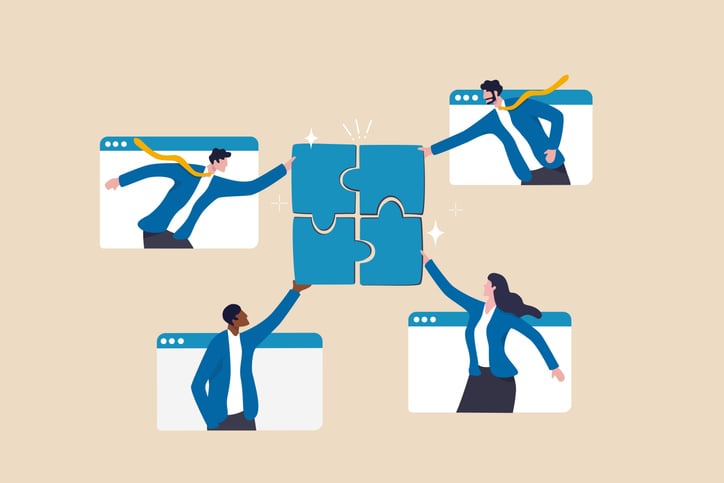
Improved outcomes and effective problem-solving in staff meetings can be achieved by promoting teamwork and cooperation during team meetings. We’ll uncover strategies aimed at enhancing team collaboration, including group problem-solving, role rotation, and breakout sessions.
Taking time to celebrate successes and victories during staff meetings can boost morale and reinforce positive team dynamics. Additionally, structuring meetings to make the best use of the team’s time is essential for enhancing collaboration and ensuring productive, focused discussions. A well-structured weekly team meeting agenda helps teams stay aligned, address challenges, and foster ongoing collaboration.
These strategies aim to foster a collaborative atmosphere that encourages active participation and creative thinking.
Group Problem Solving
Group problem-solving involves a team of individuals collaborating to find a resolution to a shared issue. This process fosters team unity and creativity by:
- Defining the problem
- Analyzing the problem
- Producing potential solutions
- Appraising the potential solutions
- Deciding
An example of a team-building game that can help with problem-solving is the “would you rather?” game, a rapid-fire decision-making game that requires participants to choose between two given options.
Role Rotation
Facilitator role rotation is the practice of changing roles within a team or organization to help employees gain knowledge and skills in different areas. This approach encourages professional growth, supports employee retention, and can also improve employee satisfaction by providing new challenges and development opportunities.
For instance, assigning distinct roles such as facilitator, note-taker, or timekeeper to team members for every meeting ensures that all team members have the opportunity to assume various roles. This also helps foster equal involvement and accountability among team members, making each individual a valuable team member.
Breakout Sessions
Breakout sessions involve dividing larger meetings into smaller groups for focused discussions and collaboration on specific topics. These sessions facilitate more in-depth engagement on precise topics, stimulate collaboration, and give participants the chance to contribute their thoughts and perspectives.
To organize successful breakout sessions, consider the size of the group, the topics to be discussed, and the time available. Assign a facilitator to each group to ensure the discussion remains on track.
Fostering Open Communication in Staff Meetings

Successful staff meetings depend on open communication, allowing team members to share ideas and collaborate effectively. Gathering employee feedback after meetings and sharing customer feedback or positive reviews can improve future agendas and boost motivation. Encouraging active listening, constructive feedback, and transparency helps create a supportive environment that promotes honest communication.
Active Listening
Active listening, an internal communication technique, necessitates the listener's full concentration, comprehension, responsiveness, and remembrance of the conversation. Attentive listening is crucial to guarantee that all participants in the meeting are both heard and comprehended, fostering an atmosphere of trust and respect.
Being aware of tone and body language during staff meetings is also essential, as tone can acknowledge accomplishments, ensure accountability, and foster engagement among team members.
Constructive Feedback
The intent of constructive feedback is to aid the recipient in enhancing their performance or behavior. It is based on facts and presented respectfully and beneficially. Providing respectful and supportive feedback is important as it facilitates the creation of an atmosphere of trust and open dialogue.
Methods for providing constructive feedback include one-on-one conversations, group discussions, or written communication, focusing on the behavior or performance that requires improvement.
Transparency and Trust

Effective staff meetings hinge on transparency and trust. Transparency involves openness and honesty in communication and decision-making processes, while trust is the belief in the reliability, integrity, and honesty of a person or organization.
Strategies for cultivating an atmosphere of openness and trust include promoting candid communication, establishing clear objectives, and being receptive to feedback. By fostering transparency and trust, you can enhance collaboration, decision-making, and accountability within your team.
Remote Staff Meetings: Best Practices and Tools
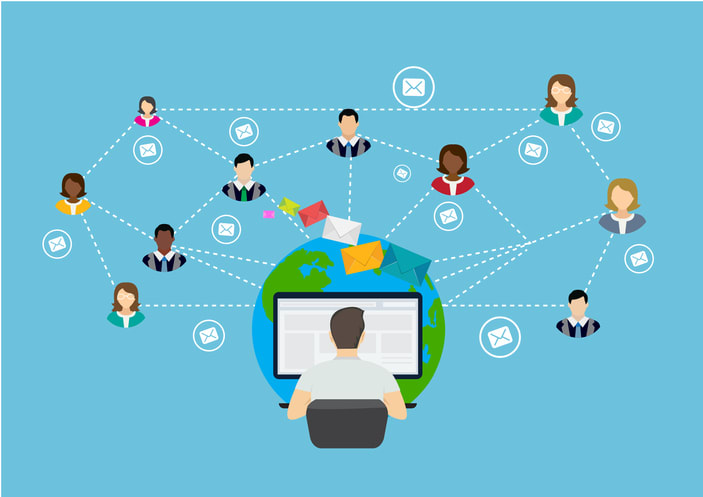
With the rising prevalence of remote work, maintaining team cohesion and productivity necessitates effective remote staff meetings. In remote environments, it is especially important to maintain structure in formal meetings to ensure clear communication and organization. The management team may also require separate meetings or hold separate meetings to address confidential or strategic topics that are not relevant to the entire staff. This section covers:
- Best practices for conducting successful remote staff meetings
- Tools for video conferencing platforms
- Virtual collaboration tools
- Remote team-building activities
By implementing these practices and utilizing the right tools, you can ensure seamless communication and collaboration within your remote team.
Video Conferencing Platforms
Seamless remote communication is facilitated by reliable video conferencing platforms. By utilizing platforms such as:
- Zoom
- Microsoft Teams
- GoToMeeting
- Google Meet
- Cisco Webex
You can enable real-time communication between remote team members, regardless of their location.
To ensure successful remote meetings, make sure all participants have access to the platform, are familiar with its features, and that the audio and video quality are satisfactory.
Using virtual office software
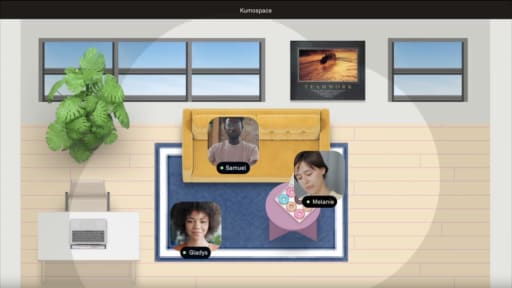
As remote and hybrid work arrangements become increasingly prevalent in today's business world, the challenges of conducting effective staff meetings are also evolving. To address these challenges, a growing number of meeting facilitators are turning to virtual office platforms specifically designed for staff meetings.
This innovative communication tool combines the benefits of video conferencing and team chat to replicate the communication advantages found in physical offices. Kumospace holds a leading position in this market, offering the most feature-rich product. Teams that have adopted these platforms have seen significant enhancements in the quality of communication and collaboration between team members, especially during staff meetings in a distributed work setting.
Virtual Collaboration Tools
Successful remote staff meetings necessitate the implementation of digital tools for real-time collaboration, file sharing, and project management. Examples of virtual collaboration tools include Kumospace, Google Drive, Asana, and Trello.
By using these tools, you can facilitate communication and collaboration on projects, exchange ideas, and maintain contact with colleagues, no matter where they are located.
Remote Team Building Activities
Incorporating virtual team-building exercises into your remote staff meetings can help maintain team cohesion and morale. Examples of remote team-building activities include:
- Virtual icebreakers
- Virtual scavenger hunts
- Online games
- Virtual team challenges
By regularly engaging your remote team in these activities, you can foster a sense of connection and camaraderie among team members, promoting cooperation and communication.
Measuring Staff Meeting Effectiveness

Continuous growth and development requires the evaluation of staff meeting success and the identification of areas for improvement. This section explores various methods for measuring staff meeting effectiveness, including post-meeting surveys, action item tracking, and continuous improvement.
Using key performance indicators (KPIs) to measure meeting outcomes can help you assess progress in areas such as sales, customer satisfaction, and operational efficiency. It is also important to document key decisions made during meetings to ensure accountability and provide a clear reference for future discussions. Incorporating strategic planning and staying informed about industry trends can further guide the evaluation and ongoing improvement of your staff meetings.
By implementing these methods, you can guarantee that your staff meetings are as efficient and productive as possible.
Post-Meeting Surveys
Post-meeting surveys are effective tools for collecting attendee feedback and gauging meeting effectiveness. By tailoring surveys to the specific meeting and asking relevant questions that encourage open-ended responses, you can gather detailed feedback from participants. It is important to gather feedback from attendees, as this input helps improve future staff meetings and ensures the agenda remains effective and relevant.
Evaluating the results of these surveys can help you identify areas of success and areas for improvement in future meetings, starting with the next meeting.
Action Item Tracking
Providing accountability and follow-through requires monitoring the progress of action items assigned during meetings. To track action items effectively, assign ownership, set clear deadlines, and provide regular progress updates. Defining responsibilities and monitoring follow-ups ensures accountability, keeps tasks on track, and makes it clear who is responsible for each action between meetings.
This process helps maintain transparency and ensures that tasks are completed on time, contributing to the overall success of the team.
Continuous Improvement
Analyzing meeting feedback and performance metrics allows for the identification of improvement areas, leading to changes that enhance staff meeting effectiveness. Continuous improvement involves making gradual modifications to systems, processes, products, or services based on the insights gained from these evaluations.
By focusing on continuous improvement, you can guarantee that your staff meetings remain productive and efficient in the long run.
Free Staff Meeting Agenda Templates
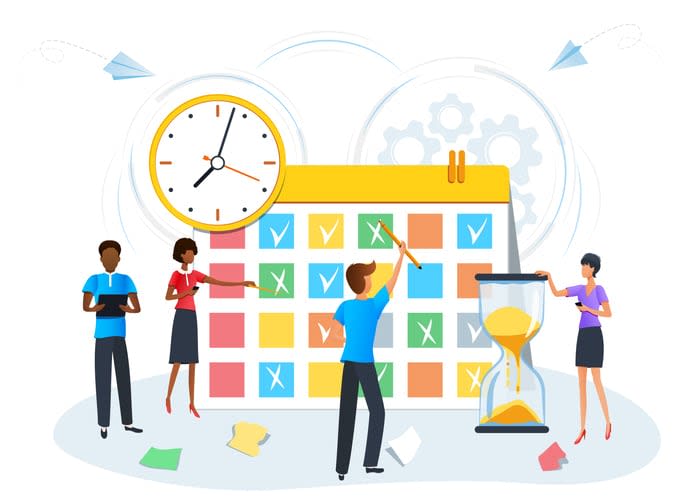
Customizable staff meeting agenda templates can streamline the creation of meeting agendas, saving you time and effort. This section introduces three types of staff meeting agenda templates: basic, interactive, and department-specific.
These templates can be tailored to suit your unique needs and objectives, ensuring that your staff meetings are well-organized and effective.
Basic Staff Meeting Agenda Template
A basic staff meeting agenda template typically includes the following sections:
- Meeting details
- Welcome and introductions
- Review of previous meeting minutes and meeting notes
- Updates and announcements
- Discussion of agenda items
- Action items and next steps
- Closing remarks and adjournment.
This format is simple and adaptable for organizing standard staff meeting agendas.
Free basic staff meeting agenda templates can be found on websites such as Smartsheet, MeetingNotes, and Microsoft Templates.
Interactive Staff Meeting Agenda Template
An interactive staff meeting agenda template is designed to promote active participation and engagement during meetings. This dynamic template may include activities, discussion topics, and other interactive elements that encourage team members to actively engage in the meeting.
By employing an interactive staff meeting agenda template, you can ensure that your meetings are captivating and effective. Examples of interactive templates include:
- Icebreakers
- Brainstorming activities
- Role-playing exercises
- Group problem-solving activities
Department-Specific Staff Meeting Agenda Template
A department-specific staff meeting agenda template is tailored to the unique needs and objectives of individual departments. It comprises sections or topics pertinent to the department's objectives, projects, and challenges, ensuring that the meeting covers all required agenda items while promoting efficient communication and cooperation within the department.
Examples of department-specific staff meeting agenda templates include those for sales, marketing, customer service, and human resources departments.
In conclusion, effective staff meetings are crucial for boosting productivity, employee engagement, and team collaboration. By implementing the strategies and tools discussed in this guide, such as creating a productive meeting agenda, enhancing team collaboration, fostering open communication, conducting successful remote staff meetings, and measuring meeting effectiveness, you can revolutionize your staff meetings and drive your team towards success. Remember, continuous improvement is key; always strive to make your staff meetings more efficient, engaging, and productive.
Summary
A well-structured agenda is the foundation of productive staff meetings. Using a team or staff meeting agenda template ensures every meeting, whether weekly or occasional, has a clear purpose, covers key topics, and stays focused. A structured agenda keeps the whole team aligned, encourages participation, and leaves room for discussion and new ideas.
Agenda templates also help teams manage updates, track action items, and follow up on decisions more efficiently. This keeps projects moving forward, supports goal alignment, and gives staff members space to celebrate progress, address challenges, and collaborate on solutions.
Ultimately, effective meetings strengthen team morale, improve decision-making, and drive continuous improvement. By using clear agendas and leaving time for insights and discussion, teams can turn routine meetings into focused, collaborative sessions that move the organization forward.
Frequently Asked Questions
A staff meeting is a regular gathering of employees in a department or team to discuss work and projects.
Staff meetings should include a timeline, an agenda with discussion topics and updates on company developments, a moderator, progress reports on projects and OKRs, time for questions and answers, and acknowledgment of accomplishments and shoutouts. Stand-up meetings can also be effective for ensuring that staff meetings are short and sweet.
Staff meetings are typically referred to as 'all hands meetings', where all members of an organization meet to discuss company updates, topics, and successes. These meetings are important for keeping everyone in the loop and ensuring that everyone is on the same page. They also provide an opportunity for team members to ask questions and provide feedback. By splitting your text into paragraphs, you can make
The purpose of the staff meeting is to bring everyone together, increase accountability, engagement, and creative problem-solving, and to keep everyone on the same page.
Effective strategies for enhancing team collaboration in staff meetings include group problem-solving, role rotation, and breakout sessions.